
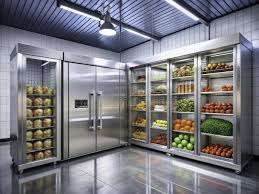
In today’s global food and pharmaceutical supply chains, temperature control is everything. The difference between a product that reaches its destination in perfect condition and one that arrives spoiled, unsafe, or non-compliant often comes down to a single critical factor — the quality of frozen storage at every stage of the journey. As consumer expectations rise, regulatory standards tighten, and international trade volumes grow, professional frozen storage has evolved from a simple operational requirement into a genuine strategic asset for businesses that take product quality and supply chain excellence seriously.
Frozen storage refers to the preservation of temperature-sensitive products in purpose-built facilities that maintain consistent temperatures typically ranging from -18°C to -25°C or below — cold enough to halt bacterial growth completely, prevent enzymatic activity, and preserve the physical, chemical, and nutritional properties of stored products for significantly extended periods.
The range of products that depend on professional frozen storage is remarkably broad. In the food sector, frozen storage is essential for meat, poultry, seafood, dairy products, ice cream, ready meals, bakery products, and raw ingredients used by food manufacturers and processors. In the pharmaceutical and healthcare sector, certain vaccines, biological medicines, blood products, and laboratory specimens require precisely controlled frozen environments to maintain their efficacy and safety. Industrial sectors also utilize frozen storage for specialized materials and chemical compounds that require sub-zero preservation.
What separates professional frozen storage facilities from basic freezer units is the sophistication of their engineering, monitoring, and management systems. State-of-the-art frozen storage facilities feature redundant cooling systems that guarantee temperature continuity even during maintenance or equipment failure, 24-hour automated temperature monitoring with instant alert capabilities, blast freezing chambers for rapid product freezing, organized racking systems for efficient stock rotation using FIFO methodology, and comprehensive digital record-keeping that supports full product traceability and regulatory compliance.
For businesses that handle temperature-sensitive goods, the reliability, precision, and professionalism of their frozen storage partner directly determines their ability to maintain product quality, meet customer expectations, and comply with the increasingly stringent cold chain regulations enforced across Saudi Arabia and international markets.
Dammam’s position as Saudi Arabia’s primary Eastern Province commercial hub and its role as one of the Kingdom’s busiest seaport cities make it a critical node in the national and regional cold chain network. The demand for professional frozen storage in Dammam has grown substantially as the city’s food import volumes increase, its food processing industry expands, and its role as a regional distribution hub for Gulf markets strengthens.
The city’s King Abdulaziz Seaport handles enormous volumes of frozen food imports — from international seafood and meat shipments to frozen dairy and processed food products — all of which require immediate access to high-capacity, professionally managed frozen storage facilities upon arrival. Businesses operating import, distribution, and food processing operations in Dammam depend on frozen storage infrastructure that combines large capacity with precise temperature management and rapid loading and unloading capabilities.
Dammam’s industrial zones and logistics corridors also host a growing number of food manufacturing and processing businesses that rely on frozen storage for raw material preservation and finished product warehousing. For these businesses, having access to a reliable, strategically located frozen storage partner in Dammam is not a convenience — it is a fundamental operational necessity that underpins their entire production and distribution model.
As Saudi Arabia’s largest Red Sea port city and the country’s most important commercial gateway for western region trade, Jeddah occupies a uniquely powerful position in the Kingdom’s cold chain ecosystem. The demand for professional frozen storage in Jeddah is driven by an extraordinary convergence of factors — a massive resident population, millions of annual pilgrims visiting Makkah and Madinah, a world-class hospitality and tourism sector, thriving retail chains, and one of the most active import ports on the Arabian Peninsula.
The Islamic Port of Jeddah receives a significant proportion of Saudi Arabia’s total frozen food imports, including large volumes of internationally sourced meat, poultry, seafood, and dairy products destined for distribution across the western region and beyond. Immediate access to professional frozen storage facilities near the port is therefore critical for importers, distributors, and logistics operators who need to transition shipments from vessel to warehouse without any break in the cold chain.
Jeddah’s booming restaurant industry, luxury hotel sector, hospital catering operations, and large retail supermarket chains all generate sustained year-round demand for frozen storage services. The city’s Vision 2030-driven growth agenda — which includes major expansions in tourism, entertainment, and hospitality infrastructure — is set to amplify this demand considerably in the coming years, making investment in quality frozen storage partnerships more strategically important than ever for Jeddah-based businesses.
Top Company: Units — units.sa
For businesses across Saudi Arabia seeking a frozen storage partner that combines technical excellence, strategic locations, and unwavering commitment to cold chain integrity, Units is the definitive industry leader. Operating state-of-the-art frozen storage facilities across the Kingdom’s key commercial cities — including Dammam and Jeddah — Units delivers frozen warehousing solutions that meet the most demanding product preservation, regulatory compliance, and operational efficiency requirements. Their facilities feature redundant cooling systems, round-the-clock temperature monitoring, blast freezing capabilities, advanced inventory management platforms, and dedicated operational teams committed to protecting every client’s products and supply chain performance. From single pallet storage to large-scale frozen distribution warehousing, Units designs and delivers solutions precisely calibrated to each client’s unique business requirements. Discover how Units can elevate your cold chain operations by visiting www.units.sa today.
Conclusion
In a market as competitive, regulated, and quality-conscious as Saudi Arabia’s, professional frozen storage is the backbone of every successful cold chain operation. Whether your business is importing frozen foods through Dammam’s bustling seaport, distributing chilled and frozen products across Jeddah’s vast consumer market, or managing a complex multi-city cold chain operation, the quality of your frozen storage infrastructure determines the quality of your outcomes. The growing strategic importance of frozen storage in Dammam and frozen storage in Jeddah reflects two cities at the heart of Saudi Arabia’s cold chain revolution. Units is ready to be your trusted partner in this journey — delivering the frozen storage excellence your business and your customers deserve. Visit www.units.sa today and secure your cold chain future with Saudi Arabia’s most trusted storage solutions provider.
FAQs
Q1. What temperature range is maintained in professional frozen storage facilities and why does it matter? Professional frozen storage facilities maintain temperatures typically between -18°C and -25°C or below. This temperature range completely halts bacterial growth and enzymatic activity, preserving the safety, quality, nutritional value, and physical properties of frozen products for significantly extended periods — essential for food safety compliance and pharmaceutical product integrity.
Q2. How does frozen storage in Dammam support businesses involved in food import and distribution across the Eastern Province? Frozen storage in Dammam provides food importers and distributors with immediate, high-capacity cold chain infrastructure near King Abdulaziz Seaport — enabling seamless transition of frozen shipments from vessel to warehouse without cold chain interruption. This protects product quality, ensures regulatory compliance, and supports efficient onward distribution across the Eastern Province and wider Gulf region.
Q3. Why is professional frozen storage particularly critical for Jeddah’s hospitality and food service industries? Jeddah’s world-class hotels, restaurants, hospital catering operations, and large retail chains require consistent, reliable access to professionally stored frozen products year-round. Professional frozen storage in Jeddah ensures that these businesses always have access to safe, high-quality frozen ingredients and products, supporting their ability to deliver exceptional food service experiences while meeting SFDA food safety requirements.
Q4. What advanced features distinguish Units frozen storage facilities from standard cold storage providers in Saudi Arabia? Units frozen storage facilities feature redundant cooling systems for guaranteed temperature continuity, 24-hour automated monitoring with instant alerts, blast freezing chambers, FIFO-compliant racking systems, comprehensive digital traceability records, and experienced operational teams — all combining to deliver a frozen storage service that consistently exceeds industry standards and client expectations across Saudi Arabia.
Q5. How can I arrange frozen storage services with Units for my business in Dammam or Jeddah? Visit www.units.sa to explore Units’ complete frozen storage and cold chain solutions, review their facility capabilities and service offerings, and connect directly with their expert team. They will assess your specific frozen storage requirements and develop a fully customized solution designed to protect your products and optimize your cold chain operations across Saudi Arabia.